WHAT TO EXPECT FROM ISR LESSONS
A calm, supportive process—for both you and your child.
Starting ISR lessons can feel like a big step. This page walks you through what lessons actually look like day to day, how children typically respond, and how parents are supported throughout the process.
Before lessons start:
Medical history is reviewed to ensure safety
You’ll receive scheduling and pool details
Expectations are discussed so there are no surprises
Once your child is enrolled, you’ll receive clear instructions on what to bring, how to prepare, and what to expect on the first day.
The goal is for you to arrive feeling informed and prepared—not anxious.
BEFORE LESSONS BEGIN
The first few days of ISR are about introduction and adjustment, not performance.
Many children:
Are unsure at first
Need time to understand the routine
Are learning new sensations and movements
This is normal.
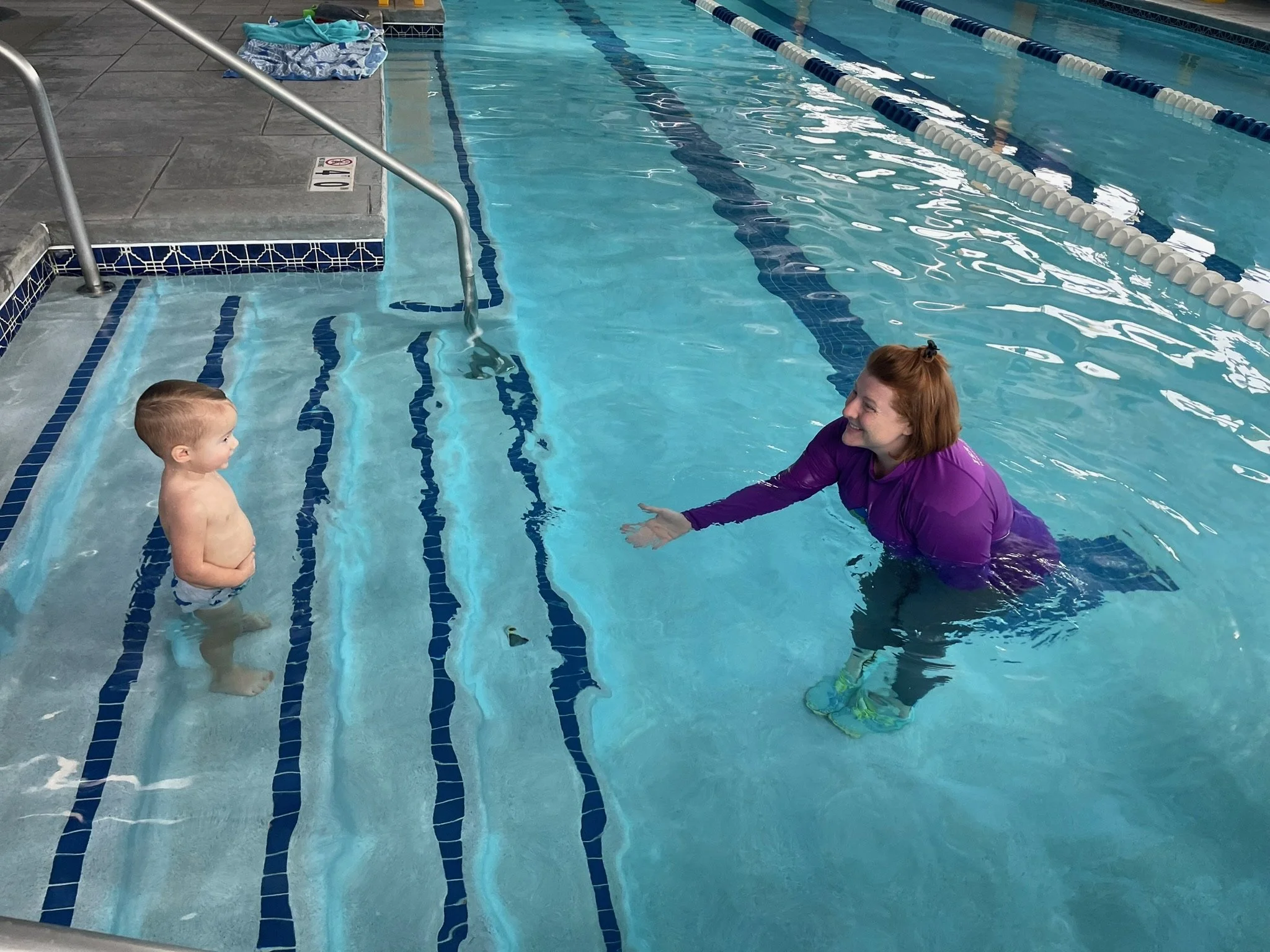
Lessons are calm, controlled, and short by design. Your child is never rushed or pushed beyond what they can handle in that moment.
Trust and familiarity build quickly through consistency.
WHAT THE FIRST FEW SESSIONS LOOK LIKE
ABOUT CRYING (This is important)
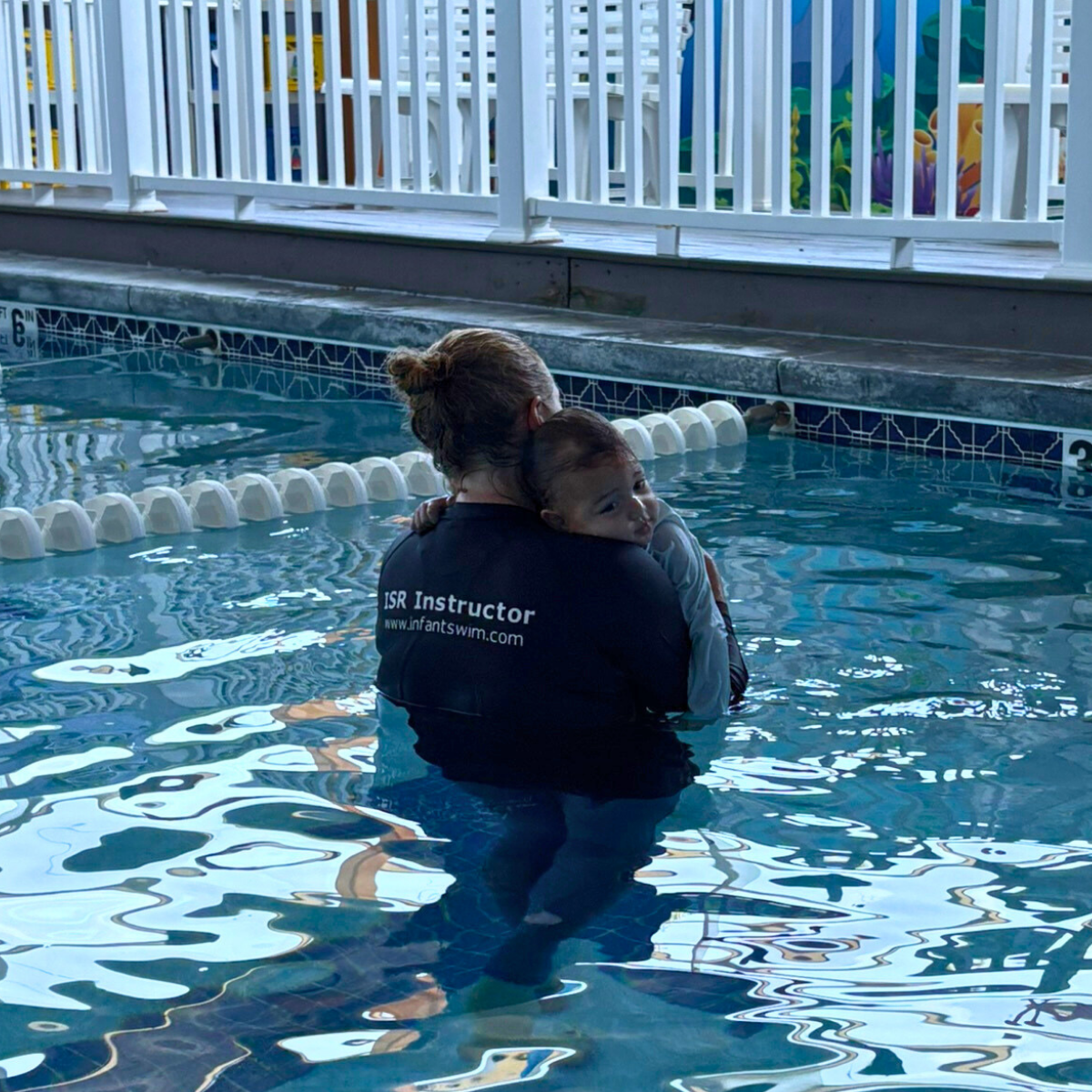
Some children cry during lessons—especially in the beginning.
Crying is a form of communication, not a sign of trauma or harm.
What crying usually means:
Your child is experiencing something new
They are working through uncertainty
They are expressing effort or frustration
What it does not mean:
That lessons are unsafe
That your child is being forced
That they hate the water—or you
As children gain control and confidence in the water, crying almost always decreases.
Your child’s emotional well-being is always respected.
What Lessons Feel Like Day to Day
Each lesson builds on the previous day. Skills are reinforced through repetition, allowing them to become automatic over time.
Lessons are calm, focused, and predictable—which is especially important for young children.
ISR lessons are intentionally:
Short (10 minutes)
Consistent (daily)
One-on-one

“By day three or four, it just became part of our routine. Same pool. Same instructor. Same short lesson. And suddenly, the skills started to stick.”
— JT, PARENT
Your Role as a Parent
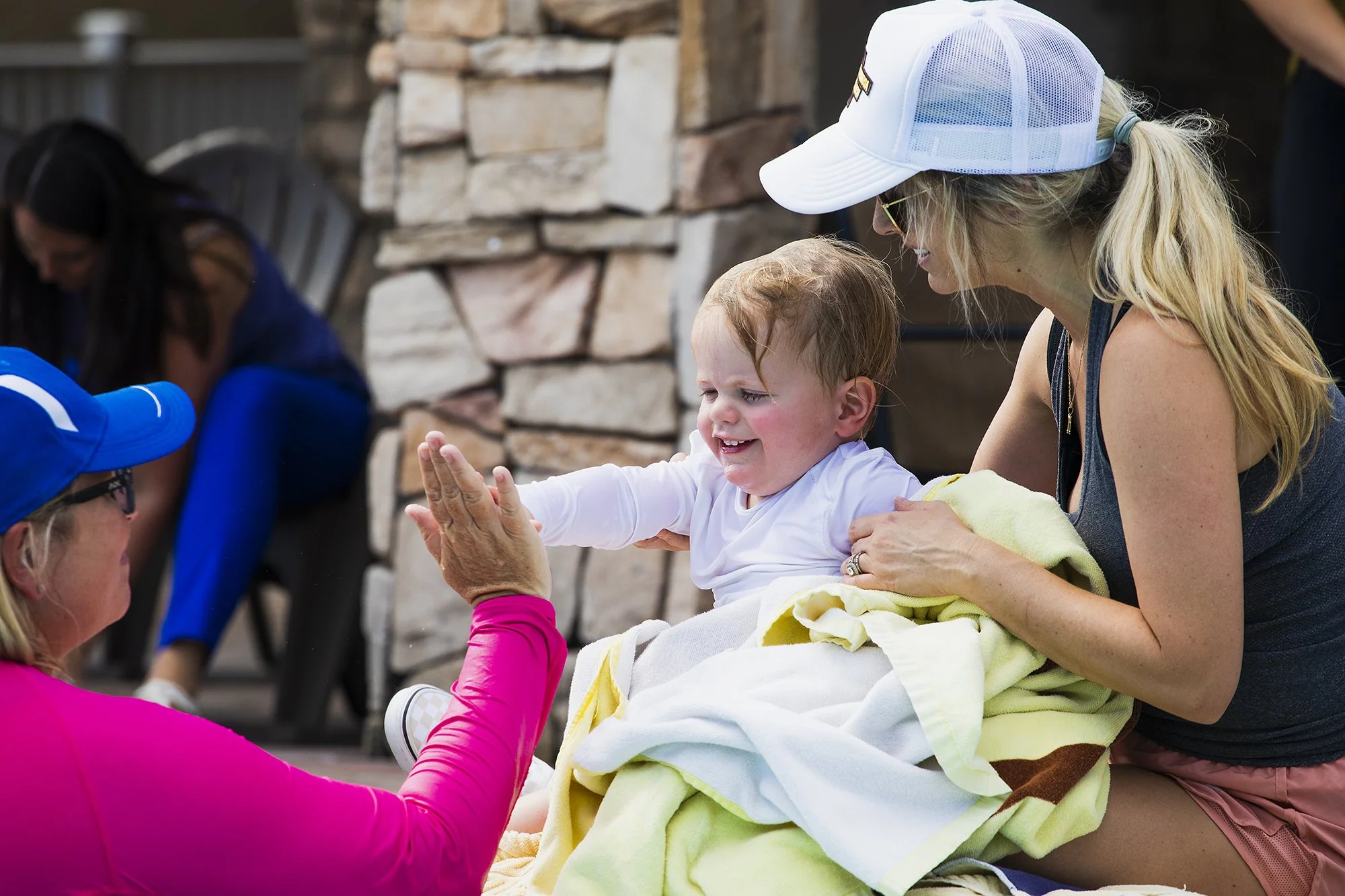
You are an important part of the ISR process.
Parents:
Observe lessons
Receive ongoing feedback
Learn what skills are being introduced and why
You’ll also receive:
An ISR Parent Resource Book
A Family Aquatic Safety Checklist
These tools help you reinforce water safety habits at home and understand how skills develop over time.
What Progress Really Looks Like
Progress in ISR doesn’t always look exciting from the outside.
Progress looks like:
Increased body control
More calm responses in the water
Skills becoming automatic
Confidence built through capability
Every child progresses at their own pace. Comparing children—or days—is discouraged.
Consistency matters more than speed.
The Daily Commitment (And Why It’s Temporary)
ISR lessons follow a very intentional structure:

10 minutes per day

4 Days per Week

~6-8 Weeks
ISR lessons require a short-term daily commitment, typically for 6–8 weeks.
This can feel like a lot—but it’s intentional.
Daily lessons: Help skills stick, Reduce relearning , Support safer, more reliable outcomes
This commitment is temporary, but the skills your child builds can last a lifetime.
When ISR May Not Be the Right Fit
ISR requires:
Consistent attendance
Parent commitment
Trust in the process
If daily lessons aren’t possible right now, that’s okay. Timing matters, and ISR works best when families are ready for the commitment.
I’m always happy to talk through whether ISR is a good fit for your child and your family.
Ready to Take the Next Step?
If you’re feeling curious—or cautiously optimistic—the best next step is a conversation.
We’ll talk through:
Your child’s age and temperament
Scheduling and availability
Any questions or concerns you have