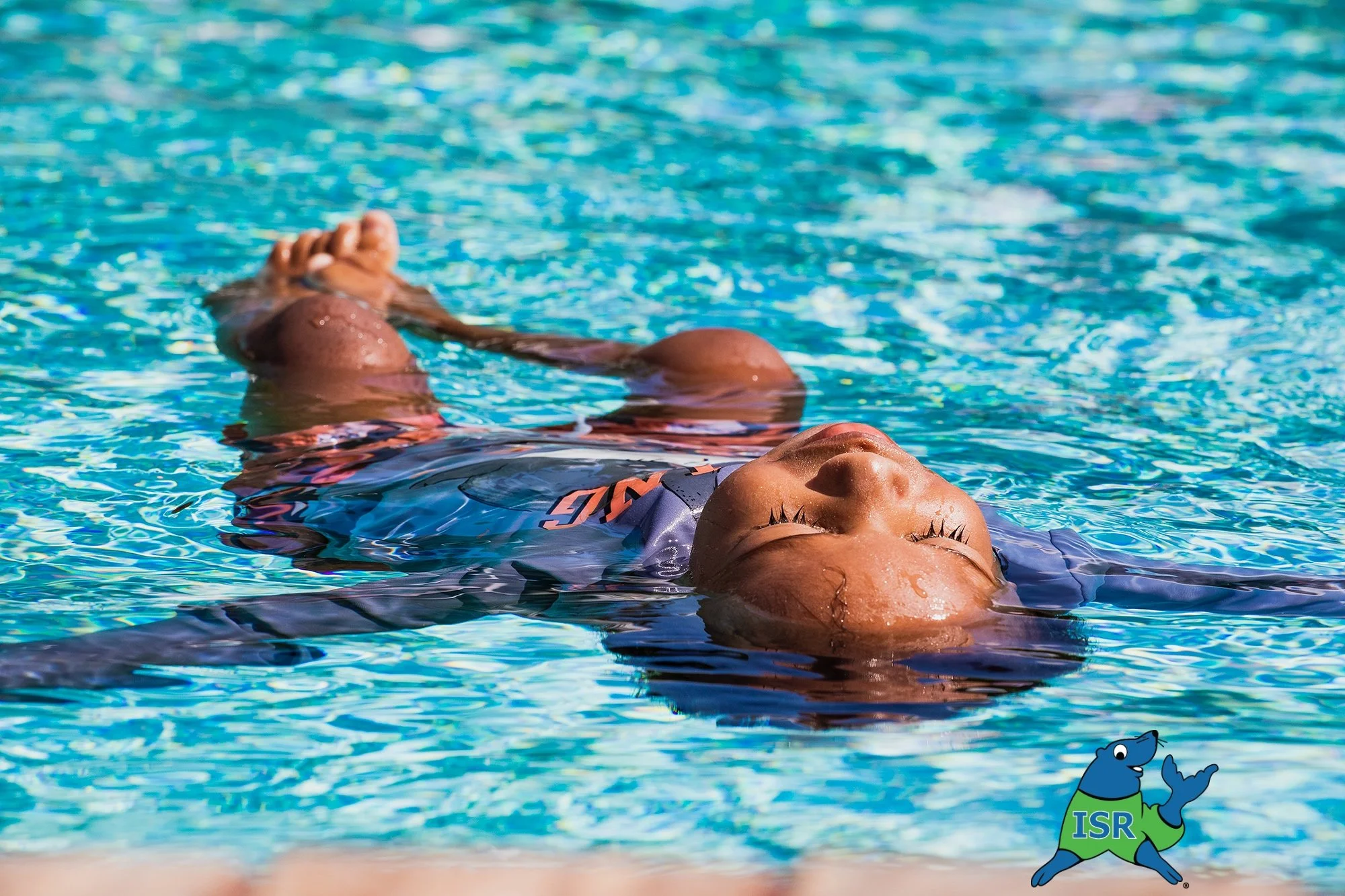
HOW ISR WORKS
A clear, safety-first approach—step by step.
ISR lessons are designed around how young children actually learn.
Short, consistent, one-on-one sessions build skills gradually, intentionally, and safely.
This page walks you through what that looks like.
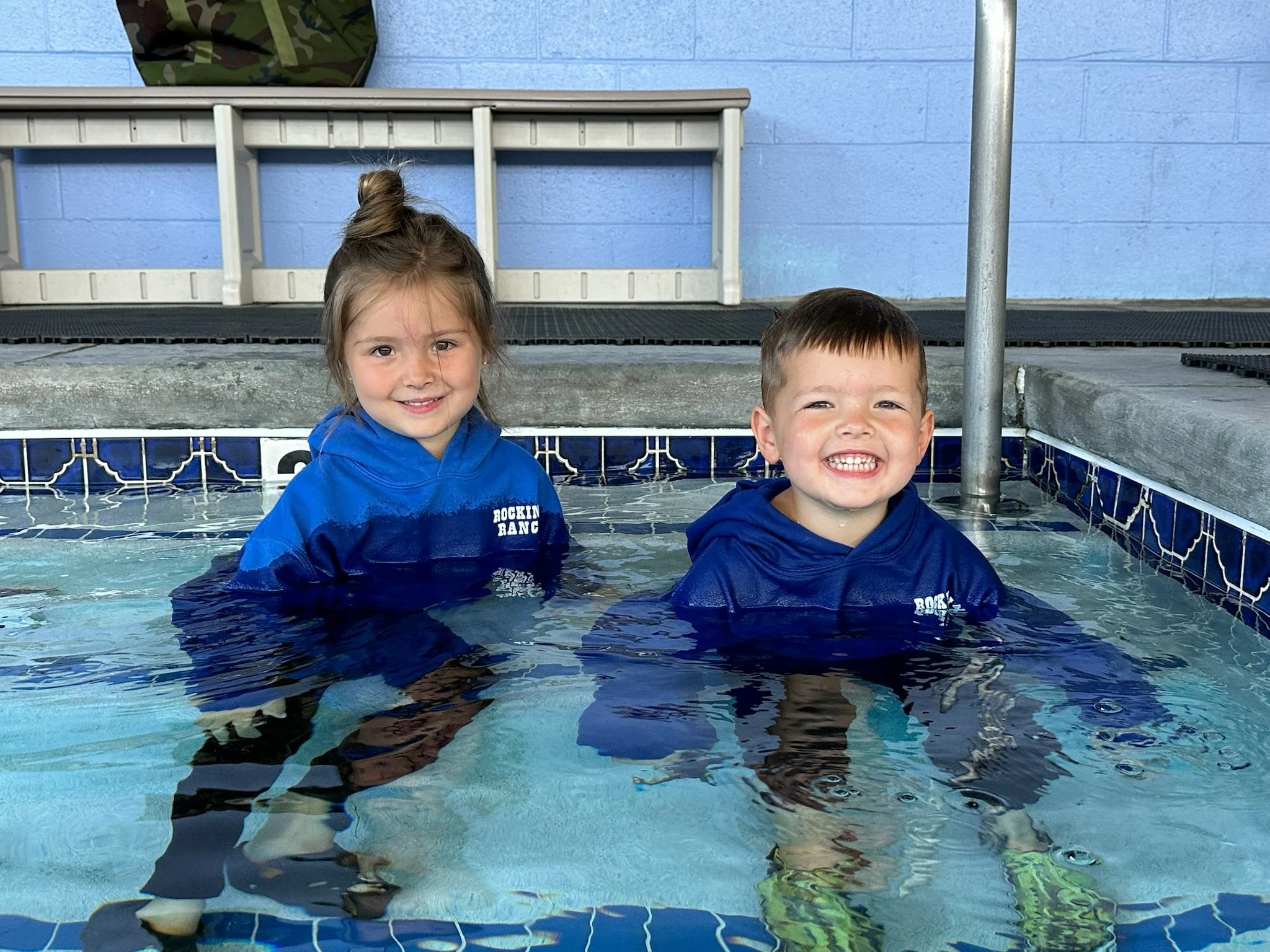
It Starts With the Individual Child
Every child comes to the water with their own temperament, physical development, and past experiences. ISR lessons are never one-size-fits-all.
Each lesson is taught one-on-one and customized to meet your child where they are — emotionally, physically, and developmentally. Skills are introduced gradually and adjusted continuously based on how your child responds in the water.
Progress is guided by the child, not a preset timeline.
ISR lessons are:
One-on-one
Developmentally appropriate
Continuously adjusted based on readiness
Short, Daily Lessons — By Design
ISR lessons follow a very intentional structure:

10 minutes per day

4 Days per Week

~6-8 Weeks
This schedule isn’t about rushing progress. It’s about building reliable skills through repetition.
Young children learn best in short, frequent sessions. Daily lessons allow skills to become automatic through muscle memory — without fatigue, overwhelm, or pressure.
This structure is what allows skills to hold up when it matters most.
Skills Built Through Repetition — Not Pressure
ISR lessons focus on functional, real-world skills rather than entertainment or performance.
Children are supported, guided, and encouraged throughout the learning process. There is no rushing, forcing, or comparing.
Lessons focus on:

Floating

Breath Control

Body Position

Controlled Movement
There are no songs, games, or distractions during lessons.
The goal is for skills to work in any situation — not just during play.
WHAT CHILDREN LEARN
Infants (Starting at 6 Months)
Infant lessons focus on teaching the child how to:
Roll onto their back
Float, rest, and breathe
Maintain this lifesaving position until help arrives
These skills give infants the ability to remain afloat and breathing if they unexpectedly reach the water.
Toddlers & Youth
As children grow and develop, lessons progress to the swim–float–swim sequence.
Children learn how to:
Swim with their face down
Roll onto their back to float, rest, and breathe
Resume swimming toward safety
Skills are layered gradually and always respect each child’s physical and emotional readiness.
Parent Education Is Part of the Program
ISR is not just about teaching children — it’s about supporting families.
Parents are involved before, during, and after lessons and receive ongoing communication about their child’s progress. You’ll learn what your child is working on, why certain skills are introduced, and how to support water safety at home.
Water safety works best as a shared responsibility.
What ISR Is — And Isn’t
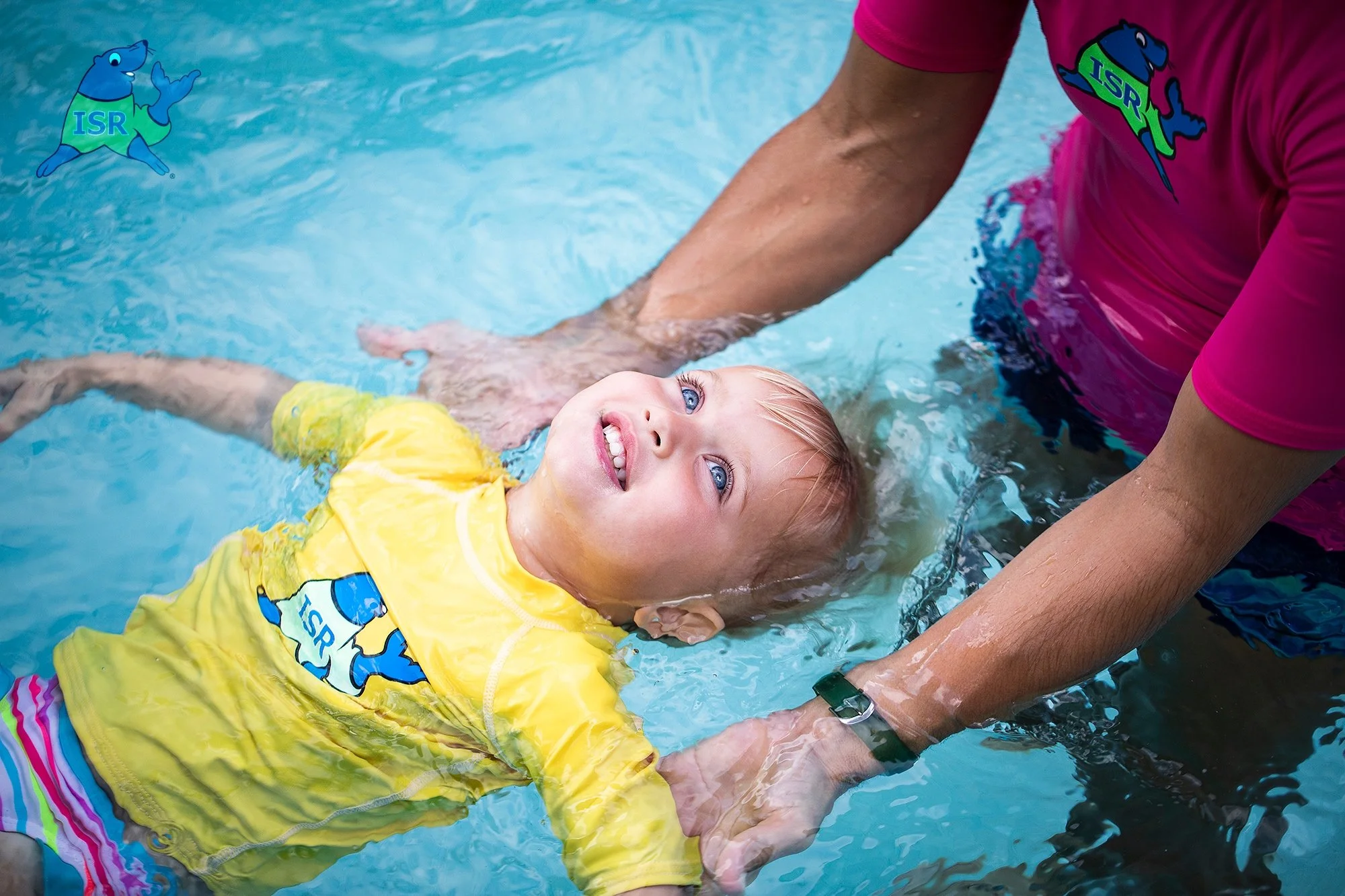
ISR Lessons Are:
Safety-focused
Individualized
Research-based
Calm and intentional
ISR Lessons Are Not:
Recreational swim lessons
Group classes
Focused on strokes, speed, or bubbles
Confidence grows naturally as skills become reliable.
What Progress Looks Like
Progress in ISR isn’t measured by how fast a child swims or how entertained they appear.
Progress looks like:
Improved body control
Calm, controlled responses in the water
Skills becoming automatic
Confidence built through capability
Every child progresses at their own pace — and that’s expected.
A Layer of Protection - Not a Replacement
ISR is one part of a broader, layered approach to water safety.
It does not replace adult supervision, physical barriers, & safety rules.
ISR adds a critical layer of protection by giving children skills of their own — skills they can rely on when adults can’t reach them immediately.
Ready to Learn More?
If you’re wondering whether ISR is the right fit for your child, the next step is learning what to expect and how to get started.